Physical Address
304 North Cardinal St.
Dorchester Center, MA 02124
Physical Address
304 North Cardinal St.
Dorchester Center, MA 02124

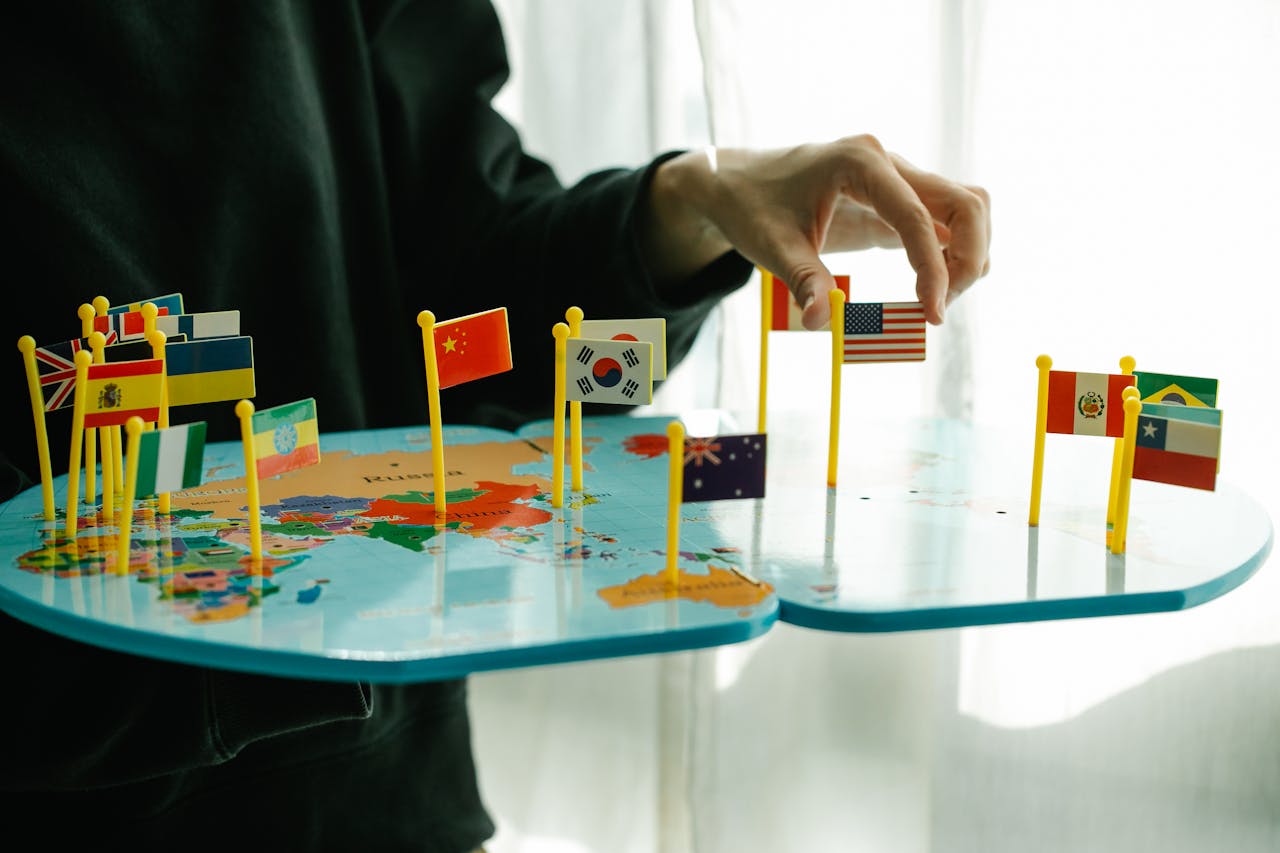
In August 2023, the BRICS bloc—originally composed of Brazil, Russia, India, China, and South Africa—announced its historic expansion, inviting six new countries, including Egypt and Ethiopia, into its ranks. This move marks a significant geopolitical shift and raises an important question: What does BRICS expansion mean for Africa’s economic independence?
For a continent long dependent on Western trade structures and development financing, this development could signal both opportunities and challenges in redefining Africa’s global economic posture.
The BRICS grouping was established in the early 2000s as an alternative alliance for emerging economies to challenge the dominance of Western-led institutions like the IMF and World Bank. Over time, BRICS evolved into a platform for fostering South-South cooperation, trade, development financing, and diplomatic alignment.
By expanding its membership to include key economies from Africa, the Middle East, and Latin America, BRICS is strategically positioning itself as a counterweight to the G7. The 2023 Johannesburg Summit emphasized this aim, calling for a more multipolar world and greater autonomy for developing nations in global governance (source: UNCTAD).
Africa, home to over 1.4 billion people and some of the world’s fastest-growing economies, holds immense geopolitical and economic value. The continent is rich in critical minerals, including lithium and cobalt, essential for the green energy transition. It also offers a young, dynamic workforce and expanding consumer base.
BRICS expansion gives Africa a stronger voice in shaping the rules of global finance, trade, and technology. Countries like Ethiopia and Egypt now have a seat at the table where alternative development agendas can be shaped—ones not always aligned with Western financial conditionalities (source: IMF Fintech Notes).
One of the clearest potential benefits for Africa lies in diversifying trade and financing options. For decades, African countries have heavily relied on Western donors and institutions, often tied to austerity measures and strict loan conditions. With BRICS-led institutions like the New Development Bank (NDB), member countries can now access development financing with fewer political strings attached (source: World Bank).
For example, Egypt and South Africa have already initiated energy and infrastructure projects through NDB support. This reduces dependence on traditional Bretton Woods institutions and gives African nations more agency in choosing their development pathways.
Moreover, the de-dollarization agenda of BRICS—promoting local currency trade—may help shield African economies from global currency volatility and U.S. monetary policy shocks. This could enhance long-term fiscal stability, especially in debt-vulnerable countries (source: Brookings Institution).
However, Africa’s entry into a larger BRICS bloc is not without risks. First, asymmetric power dynamics remain. China and India dominate BRICS in terms of GDP and influence, and African members may find it difficult to assert their interests in such a crowded, geopolitically diverse alliance.
Second, while alternative financing is appealing, it’s not necessarily better by default. China’s Belt and Road Initiative, for instance, has sparked debates about debt sustainability and transparency in African infrastructure projects (source: Chatham House).
Finally, there’s the concern of polarization. Aligning too closely with BRICS could complicate Africa’s relationships with Western trade partners, investors, and multilateral institutions. Africa needs to ensure that diversification doesn’t turn into a zero-sum game.
For Africa, BRICS expansion offers a valuable opportunity to negotiate from a position of strength rather than dependence. By leveraging both Western and Eastern partnerships, African countries can demand better trade terms, more inclusive financial mechanisms, and a bigger voice in global policy.
But economic independence will ultimately depend on domestic capacity building—infrastructure, governance reforms, industrial policy, and regional integration through platforms like the African Continental Free Trade Area (AfCFTA). BRICS may open new doors, but walking through them will require bold, homegrown strategies.