Physical Address
304 North Cardinal St.
Dorchester Center, MA 02124
Physical Address
304 North Cardinal St.
Dorchester Center, MA 02124

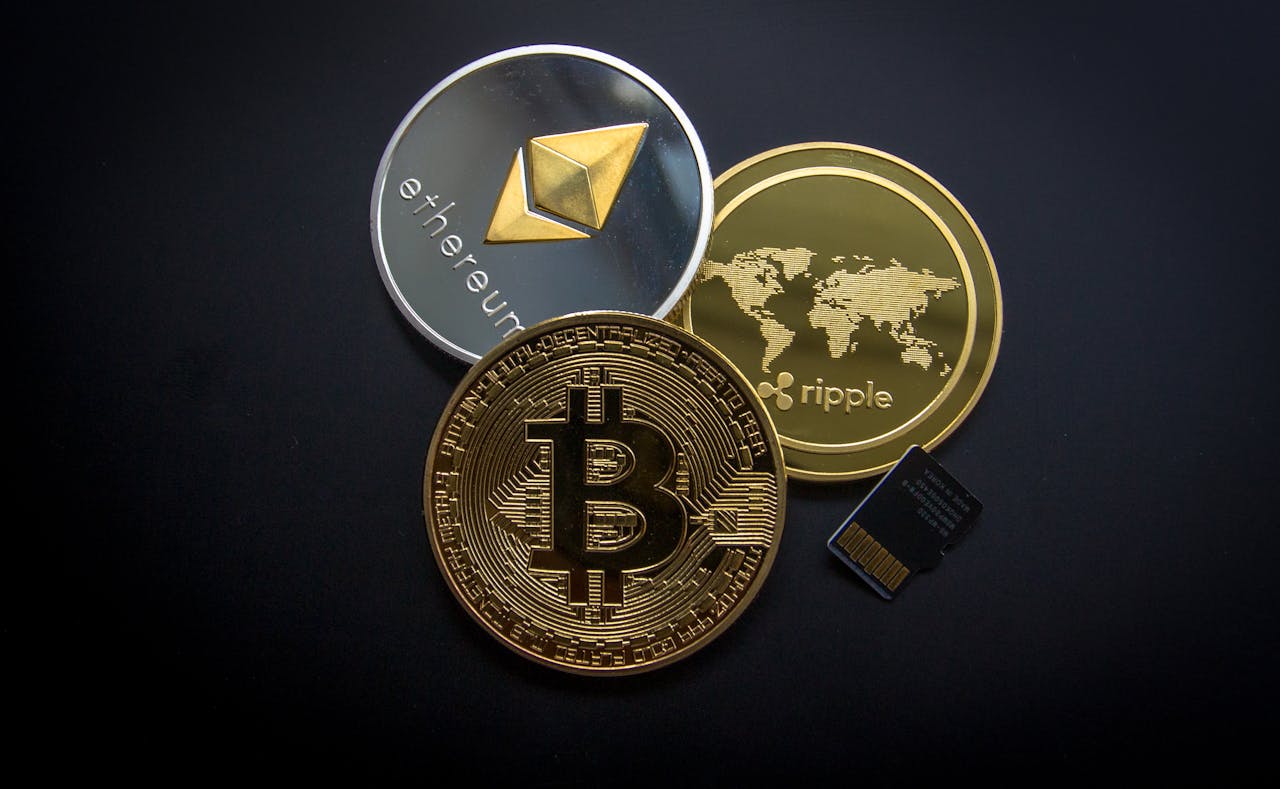
Cryptocurrency is one of the most talked-about financial innovations of the 21st century. Yet for many, it remains an abstract and confusing concept. At its core, cryptocurrency is a form of digital or virtual currency that uses cryptography for security and operates on decentralized networks called blockchains. Unlike traditional money issued by central banks, cryptocurrencies are not controlled by any single institution, which has profound implications for finance, economics, and personal freedom.
The first and most well-known cryptocurrency, Bitcoin, was introduced in 2009 by an anonymous entity known as Satoshi Nakamoto. It was created in response to the global financial crisis, as a way to give people control over their money without the need for banks or governments. Since then, thousands of other cryptocurrencies have emerged, each with its own features and purposes. Ethereum, for example, introduced the concept of smart contracts—self-executing agreements written into code—while others like Litecoin, Ripple (XRP), and Solana offer faster transactions or more energy-efficient operations.
At the heart of how cryptocurrencies work is blockchain technology. A blockchain is a digital ledger that records all transactions across a network of computers. Each transaction is grouped into a “block” and added to a chronological “chain.” This system is both transparent and immutable—once a transaction is confirmed, it cannot be altered or deleted. This makes cryptocurrencies attractive for people seeking secure, tamper-proof systems for storing and transferring value.
One of the key features of cryptocurrency is decentralization. Traditional currencies depend on central banks to regulate supply, interest rates, and monetary policy. Cryptocurrencies, by contrast, rely on distributed networks of computers (often called “nodes”) to verify and process transactions. This makes them resistant to censorship and centralized control, which appeals to people in countries with unstable governments or restrictive financial systems.
However, the decentralized nature of cryptocurrency also raises concerns. Price volatility is a major issue; cryptocurrencies can experience dramatic fluctuations in value over short periods of time. Bitcoin, for example, has surged to record highs only to crash months later. This instability makes it risky as a store of value or medium of exchange. Additionally, the anonymous and borderless nature of cryptocurrency has made it a target for misuse—scams, money laundering, and illegal transactions are common challenges facing regulators worldwide.
For everyday users, cryptocurrency can be both empowering and bewildering. I remember my first attempt to buy Bitcoin in 2020. The process felt like navigating a new language—wallets, exchanges, gas fees, private keys. It took time to understand the basics, but once I did, I saw the potential: borderless payments, peer-to-peer lending, and even art ownership via NFTs. Still, I’ve also witnessed friends fall prey to Ponzi-like schemes posing as crypto investments.
In conclusion, cryptocurrency is not just a new form of money—it represents a new way of thinking about value, control, and technology. Its future remains uncertain, but one thing is clear: it is reshaping how we interact with finance. Whether you are a tech enthusiast, a cautious observer, or simply curious, understanding cryptocurrency is increasingly becoming a necessary part of financial literacy in today’s world.