Physical Address
304 North Cardinal St.
Dorchester Center, MA 02124
Physical Address
304 North Cardinal St.
Dorchester Center, MA 02124

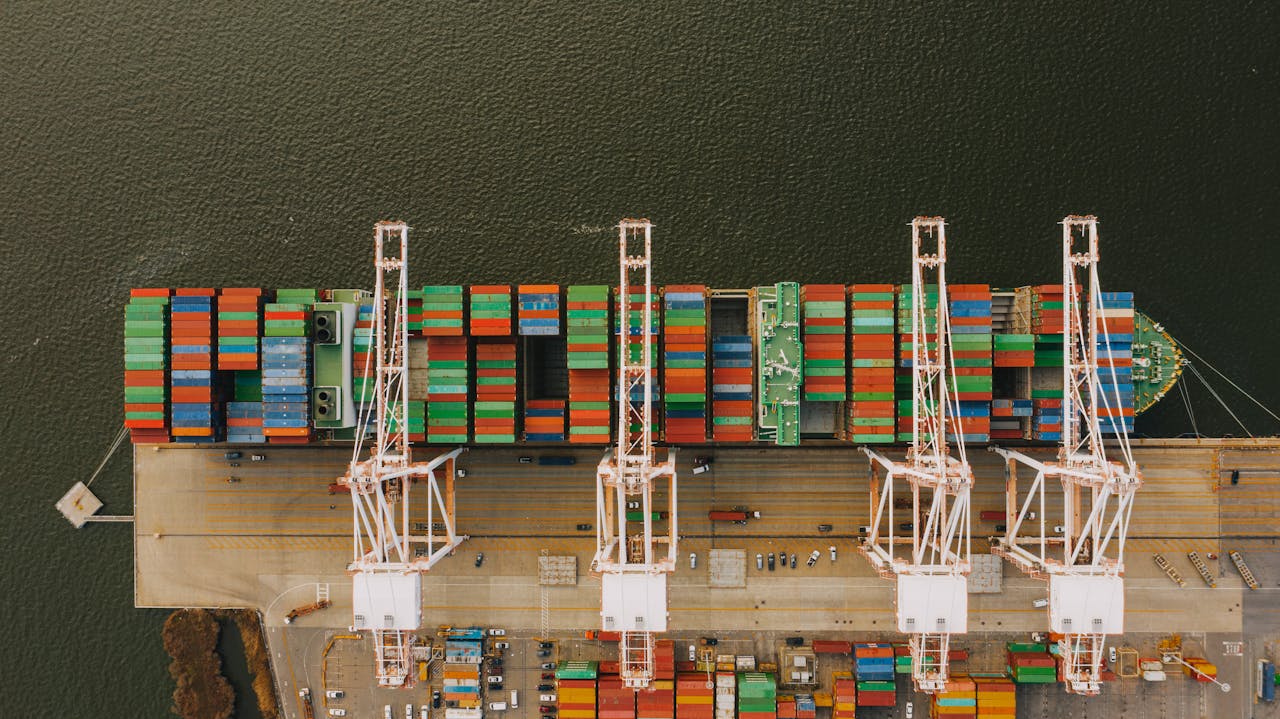
The ongoing trade war between the United States and China has reshaped global supply chains, forcing nations to reconsider their economic alliances and trade strategies. While much of the focus has been on the direct impact on the two superpowers, African economies—particularly export-dependent countries like Kenya—are also feeling the ripple effects. As tariffs, sanctions, and shifting demand patterns disrupt traditional trade routes, Kenya’s key export sectors—tea, coffee, and textiles—face both challenges and unexpected opportunities.
Since 2018, the US and China have engaged in a tit-for-tat exchange of tariffs, export restrictions, and investment bans, primarily targeting technology, manufacturing, and agricultural goods. The US has sought to reduce its reliance on Chinese imports, while China has retaliated by diversifying its own supply chains and strengthening trade ties with alternative partners, including Africa. For Kenya, this realignment presents a double-edged sword: while some industries may benefit from redirected trade flows, others risk being squeezed out of key markets.
Kenya is one of the world’s largest exporters of black tea and a significant producer of high-quality coffee. Traditionally, a substantial portion of Kenyan tea has been shipped to Pakistan, Egypt, and the UK, while coffee often finds its way to European and American markets. However, the US-China trade war has indirectly influenced demand in several ways:
Kenya’s textile industry, which benefits from trade agreements like the African Growth and Opportunity Act (AGOA), has long relied on duty-free access to the US market. However, the US-China trade war has introduced new complications:
Beyond specific industries, the US-China trade war has macroeconomic consequences for Kenya:
The US-China trade war is not merely a bilateral dispute—it is reshaping global commerce in ways that force smaller economies like Kenya to adapt swiftly. While challenges such as price pressures and logistics bottlenecks persist, there are openings for Kenyan tea, coffee, and textiles in emerging markets. To thrive, Kenya must enhance value addition (e.g., processing coffee locally rather than exporting raw beans), leverage regional trade pacts, and lobby for favorable terms in US and EU trade agreements.
For policymakers and business leaders, the lesson is clear: in an era of geopolitical rivalry, economic resilience depends on diversification, agility, and strategic partnerships. The trade war may be between giants, but its outcomes will be felt deeply in Nairobi’s trading halls and Central Kenya’s tea farms alike.